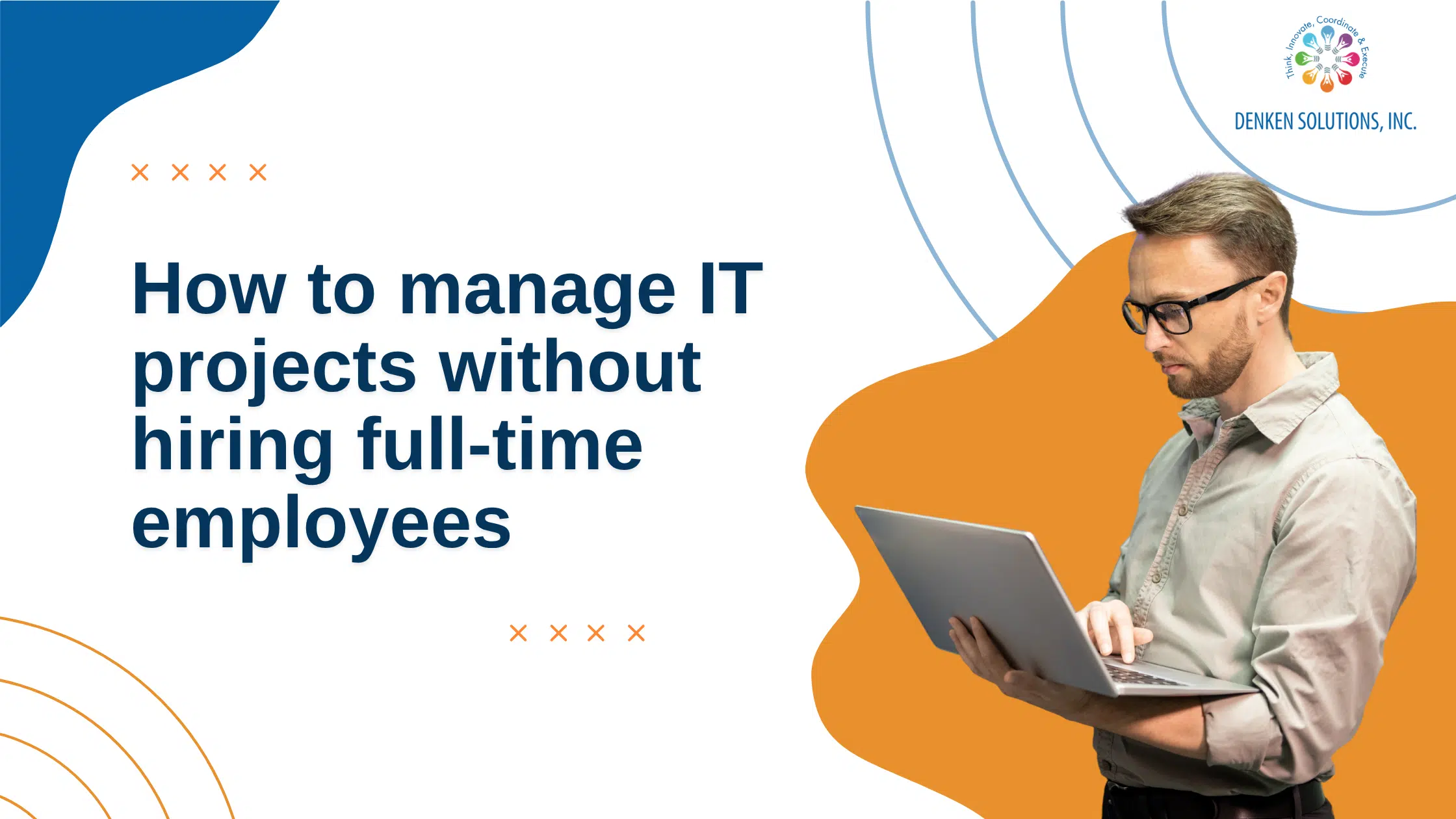
Managing high-skilled IT projects is becoming increasingly complex as businesses seek specialised talent in cloud computing, AI, cybersecurity, and software development. Although these projects will need speed and expertise, depending on permanent hires can significantly slow progress due to lengthy recruitment cycles, high costs, and limited flexibility.
As a result, various business owners are evaluating their workforce strategies. Instead of hiring permanent employees, they are opting to work with agile employees, which enables them to access skilled talent on demand, scale teams as per project requirements, and maintain cost efficiency. In this blog, we will explore how your businesses can easily and successfully handle high-skilled IT projects without actually increasing the permanent workforce.
The hidden cost of hiring a permanent employee
Hiring permanent employees involves way more than just offering them a salary. Apart from that, you will also have to spend on additional expenses such as recruitment costs, employee benefits, payroll taxes, and training. These hidden costs can significantly increase the overall investment needed for every hire. For businesses dealing with project-based IT delivery or facing short-term needs, these costs can become a huge burden. This is especially true in the current market, where specific skills fluctuate depending on the project. Understanding the cost behind permanent hiring is important if your business wants to build an efficient, scalable, and cost-effective team. Given below are the hidden costs that accompany permanent hiring:
-
Resource investment:
The hiring process doesn’t just involve posting a job and making an offer. It is usually a multi-stage process that involves sourcing, screening, interviewing, and negotiating. All of these require substantial time from the internal teams. These include HR professionals, hiring managers, and sometimes senior members who will decide on the hours and days to be held to find the right candidate. This time will directly translate into costs in wages and lost productivity, since these resources could otherwise be used to drive the business forward.
-
Payroll costs:
Payroll costs will extend well beyond base salaries to include taxes, Social Security contributions, statutory benefits, and unemployment insurance. This rapidly increases the total cost of employment. Additionally, managing payroll will include tax filings, salary processing, and compliance. However, this will need time and resources. Errors can result in penalties, thus making payroll a repetitive cost and operational burden for businesses.
-
Pension contributions:
Pension contributions are an additional cost businesses should consider when hiring a permanent employee. In multiple regions, you will be needed to contribute to pension or retirement funds on behalf of your employees. This is usually a fixed percentage of salary. These contributions will increase the overall cost of employment and will add to a long-term financial commitment. For your business that has growing teams, pension obligations can significantly impact the budget. This is especially true when hiring for short-term and project-based roles.
-
Statutory pay:
Statutory pay includes legally required payments such as paid leave, sick leave, maternity or paternity benefits, and public holiday pay. You should provide these benefits in accordance with local labor laws. This will add to the overall costs of employment. These payments will continue even when employees are not actively working. This will increase the financial obligations for businesses. For short-term needs, statutory pay can become an additional cost without directly contributing to productivity.
How to manage IT projects without full-time hiring
One of the most efficient ways to handle high-skilled IT projects without increasing permanent headcount is via contingent staffing. This model will enable you to hire professionals on a contract or project basis. This will provide the exact experience needed without any long-term commitment.
By hiring contingent staffing, you can stay agile, reduce unnecessary costs, and ensure that projects are delivered efficiently. This is how it will help:
-
Access to specialized skills:
Contingent staffing will allow you to quickly hire highly skilled IT professionals, such as cloud engineers, data scientists, and cybersecurity experts. This is extremely useful for niche or specialized IT skills that are in demand and are difficult to find locally.
-
Quick hiring process:
Traditional hiring can take up to weeks or even months. With contingent staffing, you can easily fill roles faster. This will ensure that your project starts on time and that deadlines are met.
-
Cost efficiency:
Hiring full-time employees will entail long-term costs, including salaries, benefits, payroll taxes, and training. Contingent staffing will help reduce these expenses by allowing you to pay only for the duration of the project.
-
Flexibility and scalability:
IT projects usually have ever-changing requirements. Contingent staffing will enable businesses to scale teams up or down based on project needs. This will help you by avoiding overstaffing and underutilization.
-
Reduces administrative burden:
The majority of contingent staffing companies manage contracts, payroll, onboarding, and compliance, which lessens the administrative burden on internal teams.
How does Denken Solutions help in hiring contingent staff for IT projects?
Denken Solutions is a US-based staffing platform that helps in hiring contingent workforce across IT roles. We help your business quickly hire skilled IT professionals for short-term projects, urgent requirements, and specialized technical needs. Our streamlined hiring approach will ensure a quick turnaround while maintaining high standards of candidate quality, compliance, and workforce reliability.
-
Access to pre-skilled IT talent:
At Denken Solutions, we provide access to a large pool of experienced and pre-screened IT talent across various roles. This will ensure that your business will receive qualified candidates who can contribute with minimal onboarding time.
-
Faster hiring and deployment:
Our efficient sourcing and screening process allows companies to fill short-term IT roles quickly, helping reduce project delays and maintain operational continuity.
-
Flexible and scalable workforce:
Denken Solutions enables businesses to scale their IT workforce in response to project demands. Whether you need a single specialist or an entire team, our flexible staffing model adapts to your needs.
-
Specialized skill support:
We help companies hire IT professionals with expertise in software development, cloud computing, DevOps, data engineering, and infrastructure management.
-
Compliance and payroll management:
We handle employment compliance, contracts, payroll processing, and documentation, ensuring businesses remain compliant while focusing on project delivery.
-
Reduced hiring risk and cost efficiency:
By providing qualified professionals on a short-term basis, Denken Solutions helps businesses reduce long-term hiring commitments, lower operational costs, and improve workforce efficiency.
Conclusion:
By leveraging the contingent workforce, your company can adapt more easily and close skill gaps faster, allowing you to reach your goals even amid frequent economic changes. While matching workers to niche technology experts still continues to present challenges, the contingent workforce provides the necessary talent pool and agility needed to borrow talent and achieve business goals.
FAQs:
- How do companies handle IT projects without hiring any full-time employees?
Companies can handle IT projects without hiring full-time staff by using contingent staffing. This will allow them to hire skilled professionals on a contract or project basis. This will provide flexibility, quick hiring, and access to specialised talent without any long-term commitments.
2. What is contingent staffing in IT projects?
Contingent staffing refers to hiring temporary or contract-based IT specialists for certain projects or deadlines. It will help companies in hiring specialists as needed without adding more permanent employees.
3. What are the advantages of using contingent staffing for IT projects?
Contingent staffing offers various advantages, including cost savings, faster hiring, access to specialised skills, reduced administrative burden, and scalability. It will also help businesses to adapt quickly to the changing requirements.
4. What types of roles can be filled via contingent staffing?
Contingent staffing can be used to fill a huge range of IT roles, including software developers, cloud engineers, cybersecurity specialists, data scientists, DevOps engineers, and project managers.