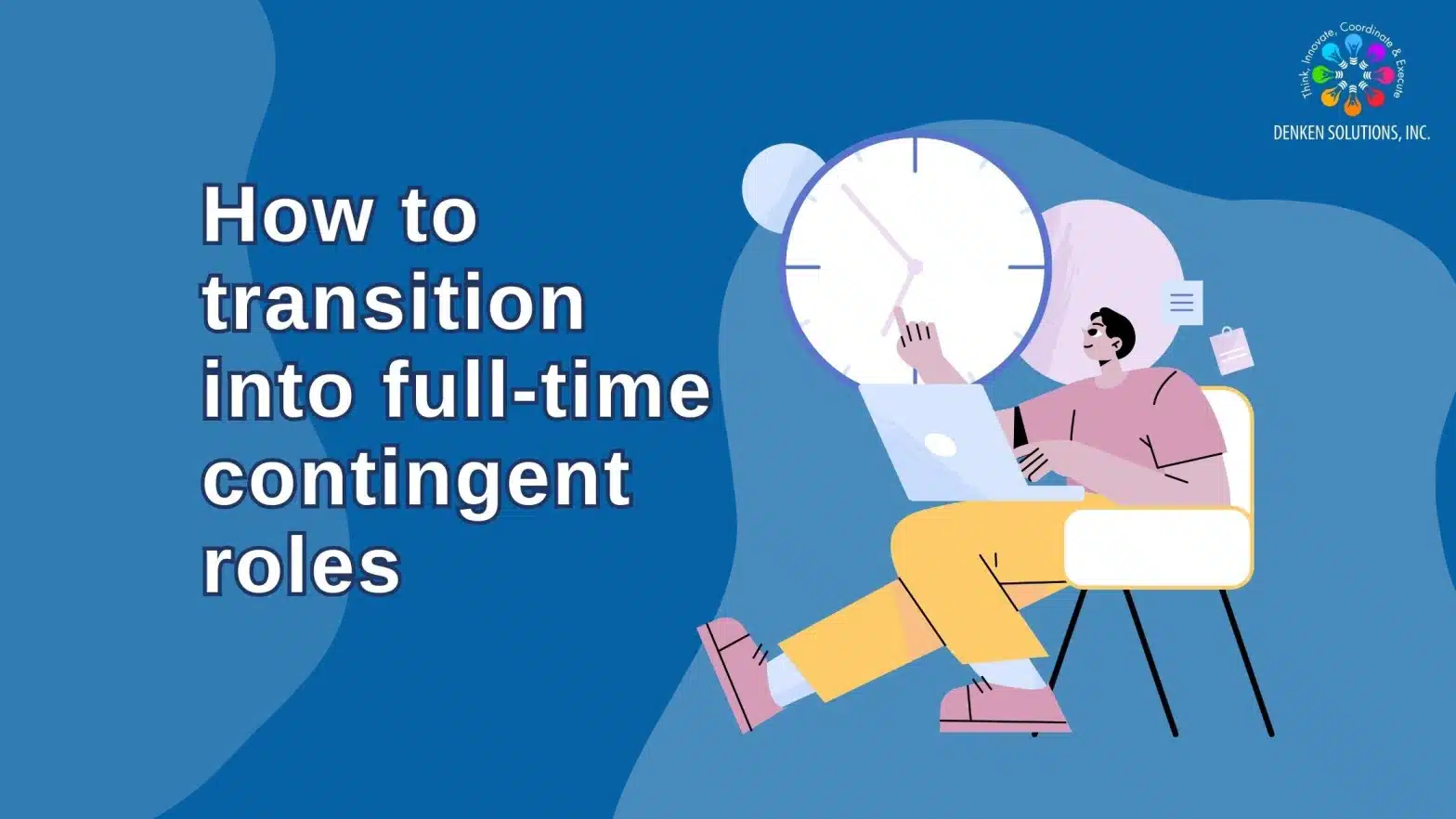
The current workforce is leaning towards a flexible work culture. The contingent workforce is the center of this change. For professionals seeking independence, diversified experience, and a better work-life balance, transitioning into a full-time contingent role will offer freedom to pick projects, clients, and schedules on their own terms.
This blog has summarized the key steps to ensure you make the transition successfully. Ranging from redefining your career goals and pricing your services to building a strong personal brand and navigating compliance confidently, we have covered it all.
What is contingent work?
Contingent work basically means employment that is either temporary, contract-based, or project-based instead of a full-time or permanent job. Instead of working for a single employer, contingent workers will work completely independently. This helps them to offer their skills and expertise to various clients or companies depending on the demand.
These professionals are often hired to fulfill certain project needs, deliverables, or roles, such as developers. These talents work on short-term projects.
Unlike a traditional employee, contingent workers are not on the payroll of the company. They handle their own benefits, schedules, and taxes. This model will help them get increased flexibility in terms of picking a project, establishing rates, and maintaining control over work and personal life.
Over the last few years, contingent work has been evolving from just becoming a side hustle to becoming a primary career option. Businesses are embracing it because of its increased agility and cost-effectiveness.
How to transition into full-time contingent roles?
Transitioning from a full-time job to contingent work is not just about changing the nature of your work schedule. It will also require you to think like you are owning a business, handle your own tasks, and take complete control of your schedule. Given below is a detailed process to make the transition sustainable and smooth.
- Redefine your career goals
Begin by understanding why you really want to move into the contingent work setup. It can be because of flexibility, increased potential to earn, or even exposure to multiple projects. Having clarity in this will help you target the correct roles and clients instead of taking whatever will come your way.
- Assess and strengthen your skills
Your skill set is your main strong point. Start by listing your strongest skills and match them with the demand in the market. If you happen to find any gaps, you can upskill using any online certifications or workshops. Staying relevant will help you stay competitive and justify the premium pricing for your services.
- Build a strong personal brand
In the contingent world, your resume is your brand. Optimize your LinkedIn profile, create a personal website or portfolio, and share your expertise through blogs or thought leadership posts. Showcase results, client testimonials, and certifications; these serve as social proof that helps clients trust your capabilities.
- Choose reliable hiring platforms
Finding legitimate work is easy when you use your trusted networks. Join an AI-powered staffing platform like Denken Solutions that connects contingent professionals with global employers. This platform will handle contracts, payroll, and compliance. This way, you can focus on your craft instead of worrying about paperwork or regulations.
- Set clear contracts and pricing
Transitioning to contingent work means knowing your worth. Calculate your rates by considering not just the desired salary but also tools, taxes, insurance, and downtime. Use contracts that define scope, timelines, and payment terms clearly to protect both you and your clients.
- Build your financial safety net
Before leaving your full-time job, build a financial cushion covering at least 3-6 months of expenses. This will ensure stability during slower months or while onboarding your first few clients. Additionally, learn basic business finances such as invoicing, saving for taxes, and managing irregular income.
- Start gradually
Start with part-time contracts in addition to your full-time employment if at all possible. Before being completely autonomous, this enables you to test the waters, gain confidence, and acquire early clients. Make the complete transfer if your project pipeline appears stable.
If you’ve recently been laid off, this blog on why you should consider contingent work after being laid off explains how full-time contingent roles can provide stability and faster re-employment.
Top strategies to become a highly efficient contingent worker
Efficiency is the backbone of a successful contingent worker. Unlike the traditional full-time roles, contingent workers should manage productivity, expectations, communications, and client satisfaction by themselves. To stand apart from the competition and to secure consistent work, given below are expanded strategies below will help you operate like a top-tier professional.
Master time management with intent and structure:
As a contingent worker, your workload will usually change every week. Building a structured schedule will enable you to plan tasks based on complexity and urgency.
- Break projects into clear milestones
- Block dedicated focus hours
- Use tools such as Notion, Trello, or Asana
Effective time management will allow you to deliver predictable and dependable output, which is a key trait that clients deeply value.
Communicate proactively and set expectations quickly:
Clear communication can make or break client relationships. Efficient contingent workers don’t wait for check-ins; they initiate them.
- Send regular progress updates
- Clarify deadlines and formats before beginning
- Confirm instructions when tasks get vague
This will reduce multiple back-and-forths and position you as a confident and organized professional.
Develop repeatable workflows that improve speed and quality:
Top performers create their own systems. A workflow might include how you research, verify data, format documents, or name files. These habits will:
- Help in reducing mistakes
- Speed up the delivery
- Make your work consistent, regardless of task complexity
Clients love predictable quality, and workflows will make this possible.
Constantly strengthen tech and role-specific skills:
The contingent workforce is global, which means competition is equally global. Upskilling helps you to stay relevant and in demand. Examples include:
- CRM platforms (HubSpot, Salesforce)
- Analytics tools
- Accounting or billing software
- Design tools
- Data or project management platforms
A skilled worker becomes a long-term asset, not just a temporary resource.
Stay adaptable:
Clients hire contingent workers to reduce workload rather than increase it. When challenges arise, efficient workers respond with solutions, not problems.
Deliver high-quality output:
In the contingent world, your reputation depends on the quality. Efficient workers:
- Review work prior to submission
- Avoid rushed shortcuts
- Check for clarity, accuracy, and formatting
A polished delivery increases the chances of repeat business and referrals.
How does contingent work change your career long-term?
Transitioning into contingent work will not necessarily change how you earn; it will reshape your entire career trajectory. As an increasing number of professionals are embracing flexible and independent roles, the long-term impact on career growth, personal development, and financial potential becomes significant. Here is how contingent work can transform your career over time:
Increased freedom
Contingent work gives you complete control over your schedule, workload, and clients. In the long term, this will allow you to design a career that fits your lifestyle. In this set-up, you would be able to choose when you work, who you work with, what projects you accept, etc. This flexibility often leads to an improved work-life balance and reduced workload, thus making your career more sustainable.
Continuous skill development
Unlike traditional roles where responsibilities can remain static, contingent work pushes you to evolve constantly. Over the years, you tend to sharpen your skills, learn new tools, and improve communication and client management.
Increased long-term earning potential
As your experience grows, so will your value. With contingent work, you can raise your rates as per your experience, offer premium and specialized services, and also work with multiple clients simultaneously. Over time, multiple contingent proessionals earn more than full-time employees within the same role.
How will Denken Solutions support contingent workers in landing high-value projects?
Contingent professionals usually struggle with inconsistent projects and unclear expectations. The primary challenge is standing out in a competitive market. Denken Solutions bridges the gap by acting as a strategic partner, not just a staffing provider. We help contingent workers to secure meaningful and well-matched opportunities. Here is how Denken Solutions will help contingent workers get projects efficiently:
Access to verified and high-quality clients
Denken Solutions will partner with reputable companies across sectors like IT, healthcare, engineering, finance, and other industries. This simply means that the professionals can gain access to real employers who are willing to hire. This also ensures long-term and reliable relationships.
Matching skills with the right opportunities
Our teams will thoroughly evaluate the expertise of the worker, their experience, certifications, their preferred working model, duration of the project, and industry specialization. Using this insight, we can match the talent with a project that aligns with their needs and skills. This will increase the chances of success and engagement.
Quick placement via streamlined process
We help eliminate any unusual delays and complications related to hiring. Ranging from profile evaluation to client interviews, our recruitment process is especially designed to help workers get placed quickly so that they can start earning sooner.
Profile and resume optimization
Many skilled talents tend to lose opportunities just because their profiles fail to show their real skills and expertise. Denken Solutions will support professionals by helping them upgrade their resumes, highlight their achievements, position their skills for increased visibility, and also showcase certifications and strengths.
Conclusion:
Switching to full-time contingent employment is a lot more than just changing your work arrangement. It will help increase autonomy, control, and long-term professional development. The payoff can actually be really life-changing; however, the entire shift will need thorough preparation, financial planning, and the ability to oversee your workflow. Being a contingent professional will give you the freedom to pick your projects. Additionally, you can also increase your income and develop a career that would fit your long-term objectives and lifestyle.
You can easily establish a successful and long-term contingent profession with the right approach.
FAQs:
1. How is a full-time contingent role different from a traditional full-time job?
Traditional employees typically work under permanent employment agreements with one organization, while contingent professionals work on specific assignments or engagements. Contingent roles often provide exposure to different projects, industries, and skill development opportunities.
2. How can I prepare for a transition into contingent work?
Start by identifying your core skills, updating your professional profile, showcasing previous project experience, building your network, and understanding the types of contract opportunities that match your expertise.
3. How do companies evaluate candidates for contingent roles?
Companies typically evaluate candidates based on their skills, previous project experience, technical expertise, industry knowledge, and ability to quickly contribute to business objectives.
4. How does Denken Solutions help companies find hard-to-fill technical talent?
Denken Solutions helps companies access specialized technical talent through targeted sourcing and skill evaluation. We connect businesses with qualified professionals who match their technical requirements and project needs.